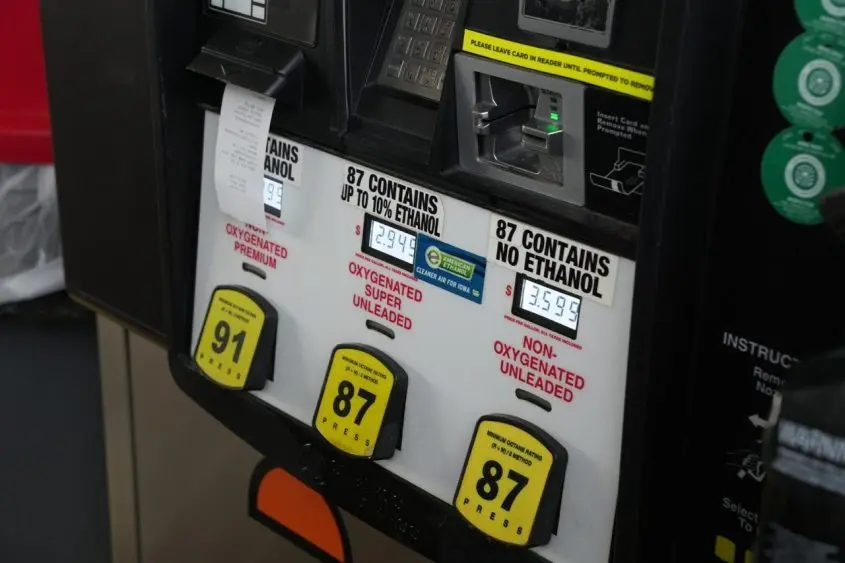
The Renewable Fuels Association thanked the Trump administration for its effort to enforce a 2019 trade agreement with China, noting in comments to the U.S. Trade Representative that China didn’t satisfy its commitments. The RFA says China failed to satisfy its commitment to increase trade in ethanol and distillers’ grains, two products that were expected to see significant export growth under the Phase One Agreement. That pact, signed in late 2019, required China to dramatically expand purchases of U.S. goods and services, including agricultural commodities closely tied to the biofuels sector.
So, the Association called on the White House to implement reciprocal duties on U.S. imports of Chinese ag products, arguing that a targeted tariff response is necessary to offset the financial harm biofuel producers and farmers experienced when China scaled back its purchases. The push comes as trade tensions continue to influence global commodity flows and as ethanol producers look for stable export markets to support margins after several years of volatile demand.
“We applaud the USTR’s Office for taking a closer look at China’s failure to deliver on its Phase One commitments, which resulted in a lost market opportunity for U.S. ethanol producers and farmers and caused significant financial losses,” said Geoff Cooper, president and CEO of the RFA. Cooper added that China purchased only 58 percent of the total U.S. goods and services exports in 2020 and 2021, which it had committed to buy under the Phase One Agreement signed in 2019.
RFA’s comments underscore the broader frustration within the biofuels industry as producers navigate uncertain export conditions and seek consistent trade policies to support long-term growth. While USTR continues reviewing China’s compliance record, the debate over reciprocal tariffs highlights how unresolved trade issues still shape market dynamics for ethanol, distillers’ grains, and other U.S. agricultural products.