WASHINGTON, DC — House Committee on Agriculture Chairman Glenn “GT” Thompson (PA-15) and House Agriculture Subcommittee on Forestry and Horticulture Chairman Doug LaMalfa (CA-01) released a joint statement following the advancement of the Secure Rural Schools Reauthorization Act of 2025.
“Today’s bipartisan passage of the Secure Rural Schools Reauthorization Act delivers long-overdue certainty for rural communities, schools, and public services that depend on these funds to survive. For too long, counties with federal land have seen an unfair decline in timber revenue through no fault of their own. This legislation ensures rural students and families aren’t left behind simply because of where they live.”
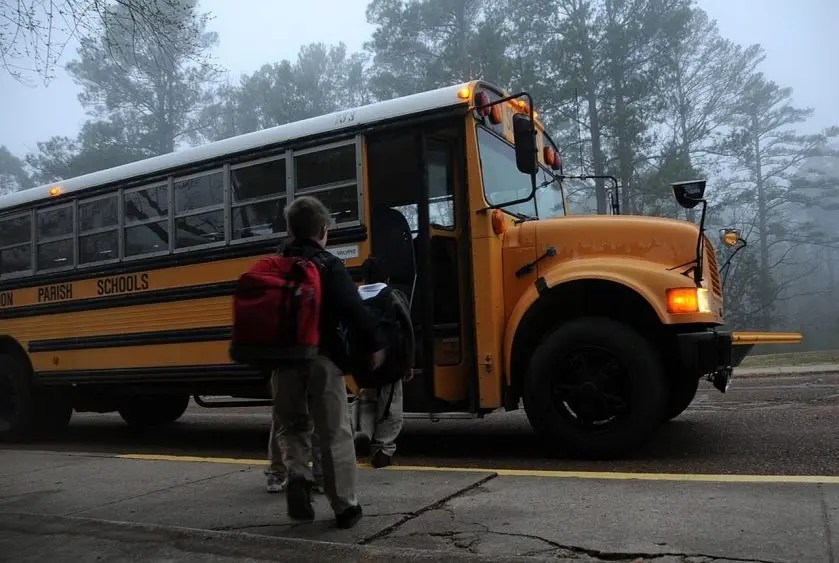
The Secure Rural Schools program, originally enacted in 2000, was created to stabilize funding for counties facing steep declines in timber receipts due to shifts in federal forest policy and reduced harvest levels. Over the years, reauthorization debates and funding lapses have led to unpredictable revenue streams for local governments, leaving school districts and county services struggling to plan annual budgets. Supporters of the latest reauthorization say the 2025 update reaffirms the federal government’s commitment to communities with large portions of non-taxable federal land and helps ensure that essential services like school transportation, road maintenance, and emergency response can continue without interruption.
Beyond restoring funding certainty, lawmakers argue the renewed program underscores the ongoing connection between federal land management decisions and the economic health of rural regions. Many local officials have emphasized that reduced timber activity has placed added strain on communities that historically relied on those revenues to support classrooms, maintain rural road networks, and operate sheriff’s departments and fire protection services. The legislation now moves forward for further consideration, with county associations, education groups, and forestry advocates watching closely as Congress determines the long-term stability of the program and its role in broader forest management policy discussions.