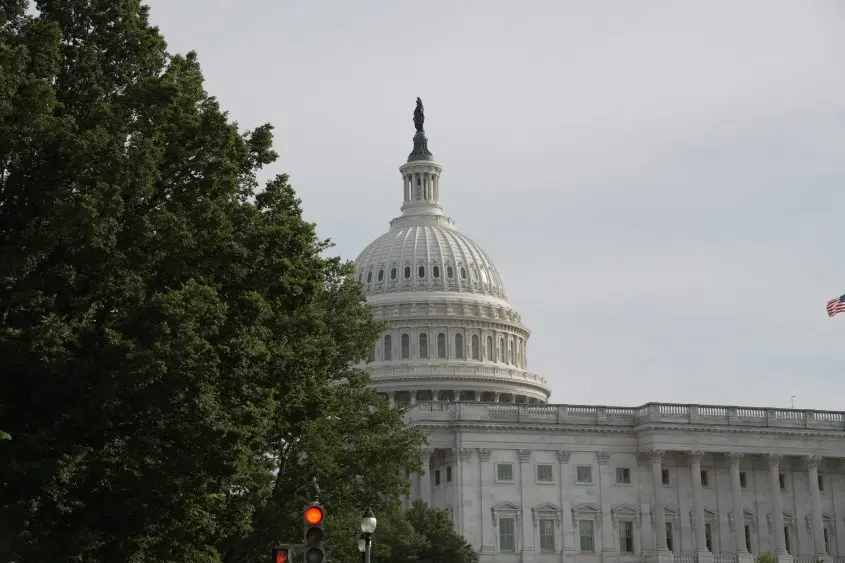
Uncertainty continues to build around the future of U.S. farm bill legislation, with agriculture policy analysts increasingly suggesting that 2026 could mark a turning point away from the traditional five-year farm bill framework. Lawmakers have struggled to advance a comprehensive package, raising concerns that the long-standing model for federal agricultural policy may be losing traction amid shifting political dynamics. The most recent full farm bill provisions expired in 2023, and since then U.S. Congress has relied on a series of short-term extensions, renewing the law on an annual basis and leaving many long-standing agricultural programs in a state of uncertainty.
While Congress has allowed farm bills to lapse in the past, those gaps were typically short-lived and followed by retroactive fixes once lawmakers reached agreement. Analysts note the current situation is different, as repeated extensions without a clear timeline for reauthorization suggest a deeper structural challenge rather than a temporary delay. As a result, what was once considered a predictable legislative process has become increasingly uncertain for producers and rural communities that depend on long-term policy stability.
Experts point to shifting political priorities, compressed legislative calendars, and deepening partisan divides as key obstacles to crafting a broad farm policy package. Disagreements over nutrition spending, conservation funding, and overall federal budget constraints have complicated negotiations that were historically bipartisan. At the same time, mounting deficit concerns and competition with other major legislative priorities have made it more difficult for agricultural policy to secure sustained attention on Capitol Hill.
Without passage of a full farm bill, many programs continue operating under temporary funding mechanisms. That uncertainty is creating challenges for producers trying to make multi-year decisions, from enrolling acres in conservation programs to planning long-term crop rotations and capital investments. Lenders and agribusinesses also face added risk when evaluating operating loans and expansion plans, as program rules and funding levels can change from year to year under short-term extensions.
Agriculture advocates warn that prolonged uncertainty could have ripple effects across the farm economy. Crop insurance programs, disaster assistance, and agricultural trade promotion efforts all rely on long-term policy certainty to function effectively. Trade groups note that consistent farm policy also plays a role in signaling reliability to international trading partners at a time when global competitors are investing heavily in agricultural support and market development.
Some lawmakers have floated the idea of scaled-down legislation that would focus only on critical components such as crop insurance and nutrition programs, rather than attempting a sweeping rewrite of farm policy. Others argue that another short-term extension may be the most realistic option in the near term. Farm groups and other stakeholders caution that both approaches carry trade-offs, emphasizing that stability and predictability remain essential as producers navigate ongoing market volatility, weather risks, and an increasingly competitive global agricultural landscape.