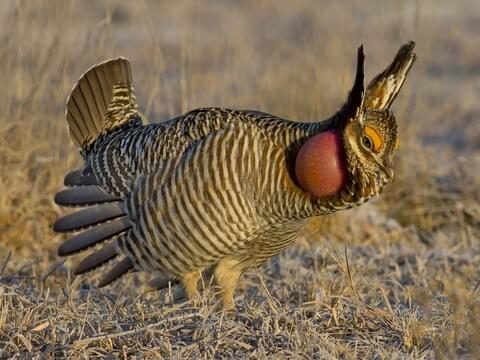
WASHINGTON (February 26, 2026) – The U.S. Fish and Wildlife Service (FWS) has finalized the removal of the Northern and Southern Distinct Population Segments (DPS) of the lesser prairie-chicken from the Endangered Species Act (ESA) list, marking a significant development for ranchers and land managers across the species’ range. The decision follows years of legal challenges and policy debate surrounding the original listing, which was first implemented in 2022.
The National Cattlemen’s Beef Association (NCBA) and the Public Lands Council (PLC) filed litigation seeking to overturn the listing shortly after it was finalized, arguing that the rule was both legally and scientifically flawed. The groups contended that the ESA designation, along with the critical habitat determinations tied to it, imposed unnecessary regulatory burdens on cattle producers while failing to fully account for the role of grazing in maintaining suitable habitat for the bird.
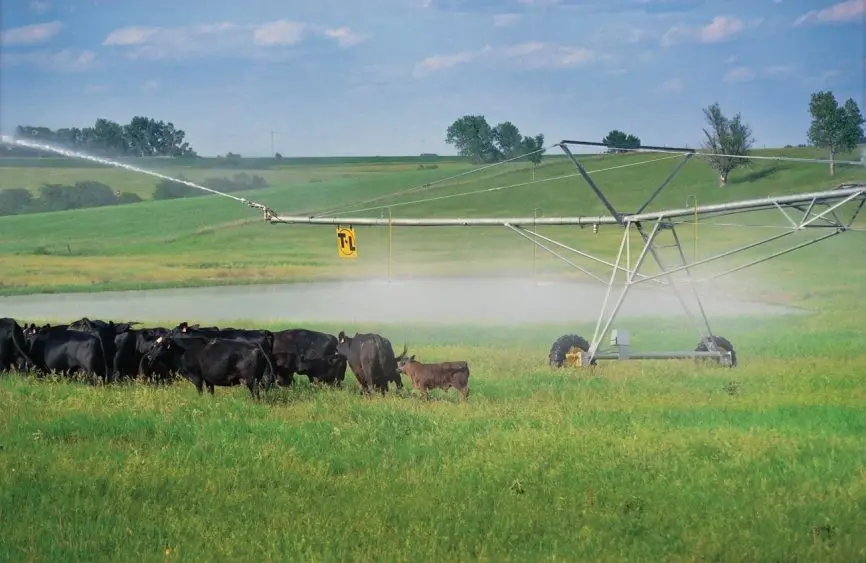
“The ESA listing of the lesser prairie-chicken, coupled with the designation of critical habitat across cattle country, created an unnecessary and unlawful burden for ranchers. Established science has repeatedly proven that healthy rangelands maintained by cattle grazing is exactly where the lesser prairie-chicken thrives,” said NCBA President and Virginia cattle producer Gene Copenhaver. “Grazing creates robust, sustainable habitat for the bird, and by removing this listing, the Trump administration is helping ranchers continue that stewardship. NCBA engaged with multiple administrations, Congress, and the federal court system for years to defend cattle producers from this overreaching, unscientific rule, and we are glad it is finally removed.”
The original ESA listing took effect on March 27, 2023, and impacted all states within the lesser prairie-chicken’s range, including Colorado, Kansas, New Mexico, Oklahoma, and Texas. The rule divided the species into two distinct population segments, designating one as endangered and the other as threatened. That decision triggered additional regulatory oversight and land-use considerations across millions of acres of working lands.
In 2025, the U.S. Federal District Court of Western Texas vacated the lesser prairie-chicken’s 4(d) rule. The court held that the bird should no longer be protected as “threatened” under the ESA because FWS failed to consider the economic implications of issuing the listing. Supporters of the delisting say the court’s ruling made clear that the agency had not fully satisfied statutory requirements when finalizing the rule. Today’s action by FWS formally aligns agency policy with that existing federal court mandate.
Industry groups argue that voluntary, incentive-based conservation efforts led by ranchers have played a significant role in habitat preservation for the lesser prairie-chicken and other grassland species. They maintain that active grazing management supports the mosaic of vegetation heights and plant diversity that the bird depends on for nesting and brood rearing.
“Ranchers are the primary caretakers of a wide variety of landscapes that provide important habitat for species like the lesser prairie-chicken through voluntary conservation work. Federal agencies recognize that this work is the best way to provide long-term stability for habitat for these species,” said PLC President and Colorado rancher Tim Canterbury. “When the lesser prairie-chicken was listed with two separate designations, the ability to effectively carry out that voluntary conservation work was seriously constrained and PLC took legal action to ensure livestock producers would continue to be able to maintain these working lands. This delisting is welcome news for ranchers across the region, and we will continue to work with our state and federal partners to create and conserve habitat.”
With the delisting now finalized, ranching organizations say they plan to continue working alongside state wildlife agencies, federal partners, and private landowners to promote conservation strategies that balance species protection with the economic viability of rural communities. The decision represents the latest chapter in a long-running debate over how best to conserve grassland ecosystems while sustaining agricultural production across the southern Plains.