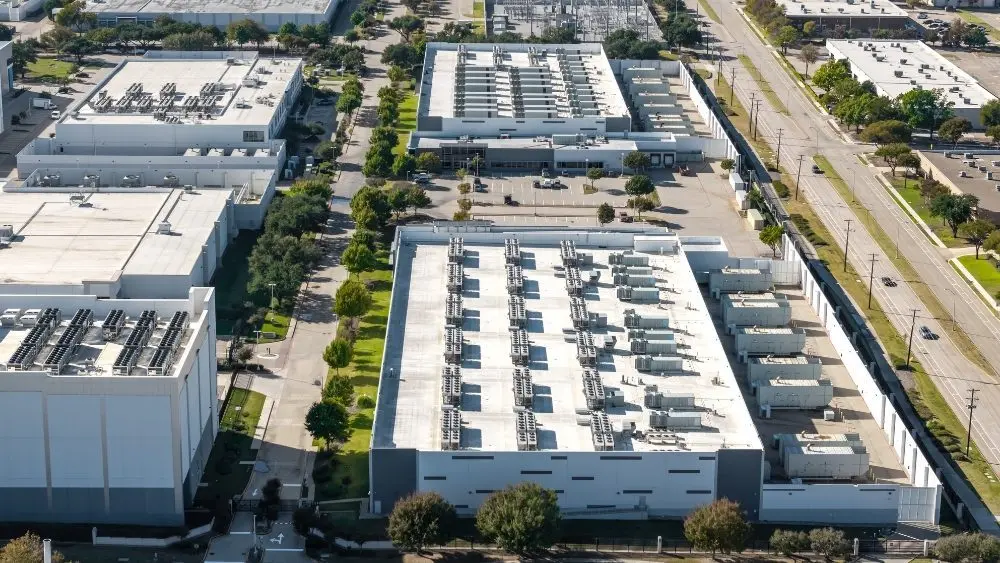
The rapid expansion of artificial intelligence data centers into rural communities is drawing growing attention from farm organizations concerned about energy use, water consumption, and public transparency. The issue surfaced during the recent annual convention of National Farmers Union in New Orleans, where delegates discussed how the surge in large-scale technology infrastructure could affect rural utilities, natural resources, and local governance.
Darrin Von Ruden, president of the Wisconsin Farmers Union, said the organization spent considerable time debating how artificial intelligence data centers could reshape rural power systems and utility costs.
“We spent a lot of time on AI tech centers and really trying to figure out some language, number one, because of how fast they’re coming on board, and looking at what’s going on, a couple of states wanted to see that they needed to provide their own power,” said Von Ruden. “And after quite a bit of discussion, you know, looking at how that could impact other states. The thought was that they would make every consumer’s electric bill go up. But in reality, if they have their own system and get off the grid, that could actually cause more price spikes for the average consumer, because the electric companies’ utilities are really wanting to see that power going through their lines, and all of a sudden, it isn’t. Water is a big issue for AI tech centers, too.”
Von Ruden noted that while some of the newest data center designs are reducing their reliance on water for cooling, the issue remains a concern for rural communities where large facilities could still strain local water supplies or wastewater systems.
“It sounds like they’re starting to be able to get away with not having quite as much water as certain ones, but here in the Upper Midwest, anyway, the amount of water that we have is probably why we’re looking at more being sited here,” said Von Ruden. “We just want to make sure that we have clean water coming out the backside of those things if they’re going to be sited around the state of Wisconsin or the Upper Midwest, here.”
Delegates also raised concerns about transparency in negotiations between local governments and technology companies pursuing large data center projects. Von Ruden said farm groups want to ensure the public remains informed about potential developments that could reshape rural infrastructure and resource use.
“Then the last issue on data centers is for public officials to not sign non-disclosure agreements, or NDA’s as they’re called, a lot, and if it’s in the public’s interest, either good or bad, the public should know about it,” said Von Ruden. “And for instance, in Duluth, Minnesota, last year, there was an NDA signed between the city council there and the builder of an AI tech center, and it really left the general public out in the middle of nowhere, because they couldn’t get information out of their elected officials. And if you’re elected by the general public, you should be responsible to them.”
Von Ruden said the organization believes the rapid growth of artificial intelligence infrastructure makes it increasingly important for rural communities to weigh the economic benefits of new development against potential impacts on utilities, water systems, and local oversight.