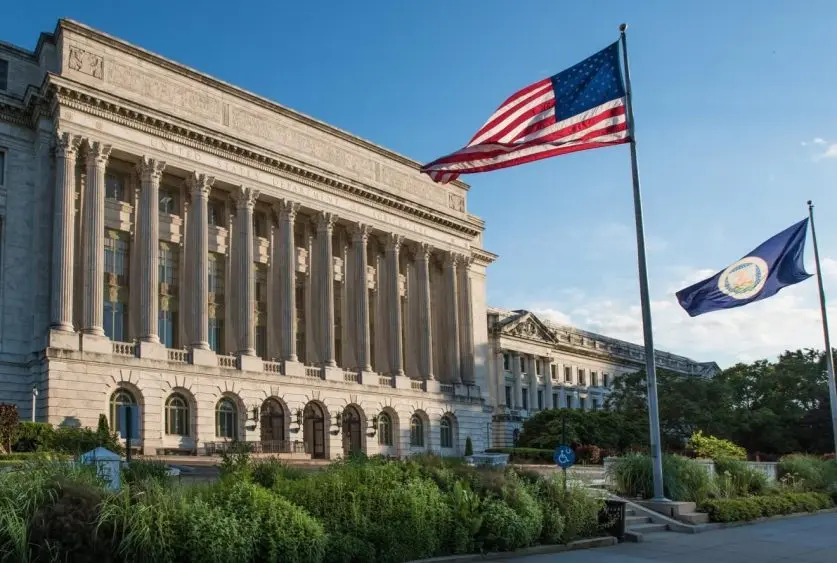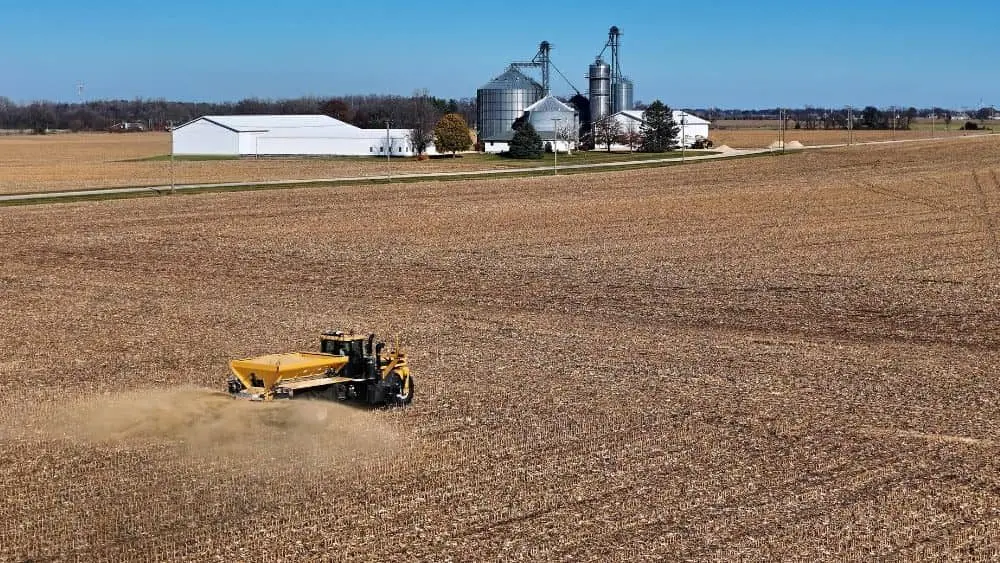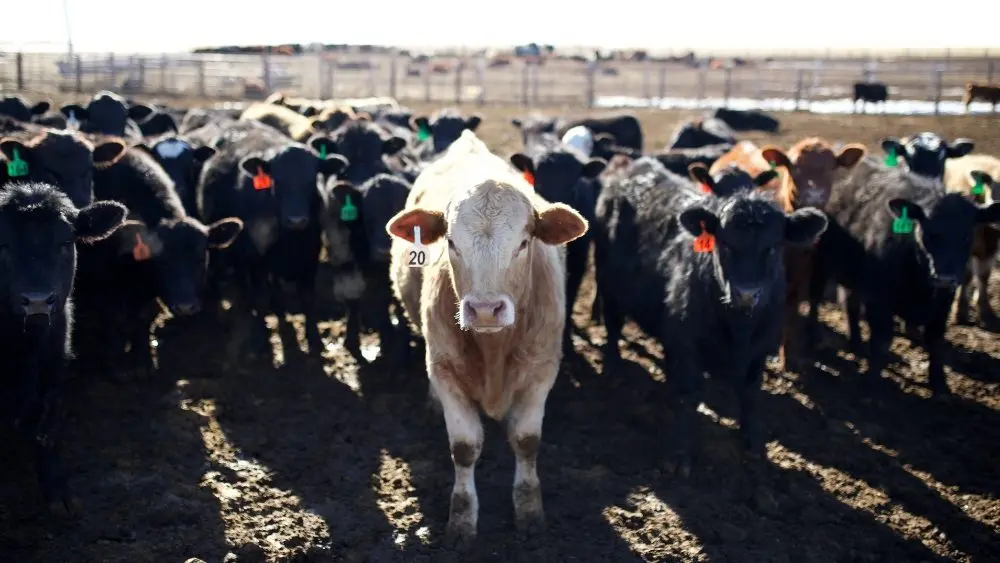
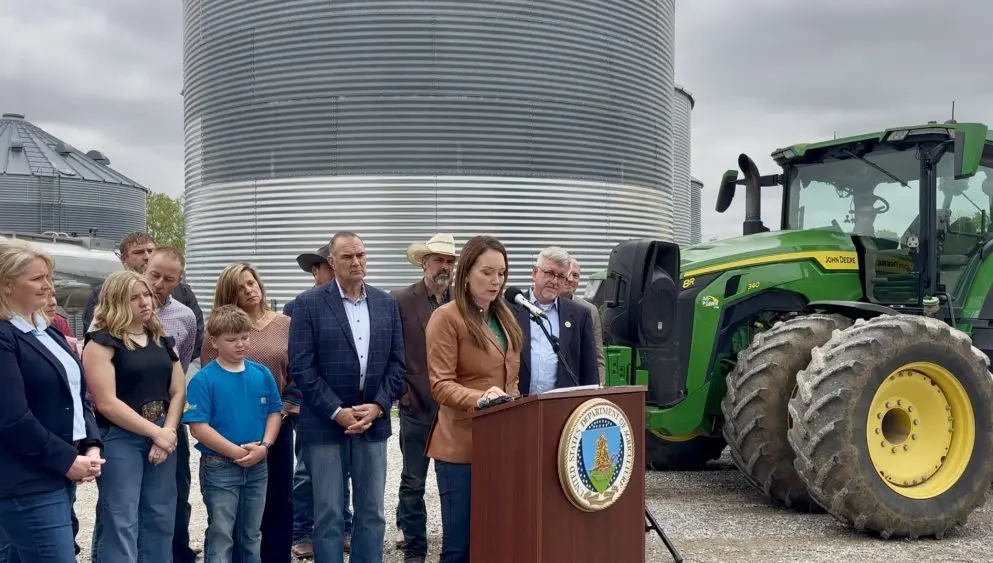
Higginsville, MO – U.S. Secretary of Agriculture Brooke L. Rollins, speaking in Missouri, announced the U.S. Department of Agriculture is expanding disaster assistance for agricultural producers by issuing a second round of payments through the Supplemental Disaster Relief Program, or SDRP. The additional payments will go to eligible producers who already have approved applications for losses tied to natural disasters in calendar years 2023 and 2024.
The USDA’s Farm Service Agency has already distributed $6.7 billion in SDRP payments, and this latest move is designed to increase support as producers continue to navigate financial strain tied to weather and market volatility. Along with the second payment, USDA is also extending the program deadline. What was originally an April 30 cutoff will now be pushed to August 12, 2026, for both Stage 1 and Stage 2 of the program.
“This extension gives producers and our great FSA team more time to address any program application changes that might impact payments,” Rollins said during the announcement following a roundtable with Missouri producers in Higginsville.
Initial SDRP payments were calculated using a 35 percent payment factor. After further review, USDA is increasing that factor to 70 percent. That means producers with approved applications will now receive an additional 35 percent of their calculated payment, effectively doubling the original assistance rate. Future SDRP payments will also be issued at the 70 percent level.
USDA Undersecretary for Farm Production and Conservation Richard Fordyce said this announcement comes at a critical time for borrowers and lenders.
“I think this announcement is super important and very powerful when it comes to farmers and others looking at securing credit for this crop year,” said Fordyce.
In a USDA press release Rollins emphasized the economic impact this could have on producers, “by extending the program deadline and making available this additional payment, we are continuing to put farmers first during this difficult farm economy. To help secure the economic viability of disaster-impacted farmers, we’re taking deliberate steps to provide stronger, more meaningful financial support for our nation’s agricultural producers.”
Over the past year the USDA has delivered more than $17.9 billion in supplemental disaster assistance authorized through the American Relief Act of 2025. That includes the $6.7 billion already distributed through SDRP, $9.3 billion through the Emergency Commodity Assistance Program, and nearly $1.9 billion through the Emergency Livestock Relief Program.
In addition to disaster-specific programs, USDA has also rolled out broader economic support efforts. Through the Farmers Bridge Assistance program alone, the Farm Service Agency has delivered more than $10 billion in payments so far, with additional aid expected for specialty crop producers. Since 2025, permanent FSA programs have provided over $2.0 billion in disaster assistance, $5.3 billion in commodity price support, $3.1 billion in safety net assistance, and $685 million through conservation initiatives.
Altogether, the administration says more than $39.1 billion in economic support has been directed toward helping farmers recover from weather-related and market-driven challenges, while also maintaining conservation efforts and keeping operations financially viable.
The SDRP is structured in two stages. Stage 1, first announced in July 2025, remains available to producers who received indemnities through crop insurance or the Noninsured Crop Disaster Assistance Program for eligible losses tied to natural disasters in 2023 and 2024. Stage 2 expands coverage to include crop, tree, bush, and vine losses not addressed in Stage 1, including shallow losses, uncovered losses, and quality-related damage.
To qualify, losses must be directly tied to natural disasters occurring in 2023 or 2024. Eligible events include wildfires, hurricanes, floods, derechos, excessive heat, tornadoes, winter storms, freeze events including polar vortex conditions, smoke exposure, excessive moisture, and drought.
For drought-related claims, eligibility requires that the affected county experienced a D2 severe drought designation for at least eight consecutive weeks, or reached D3 extreme drought or higher intensity levels during the applicable year, according to the U.S. Drought Monitor.
USDA also notes that block grants are being established with Connecticut, Hawaii, Maine, and Massachusetts to cover crop losses. As a result, producers with land located in those states are not eligible for SDRP payments under this program.
More information on the Supplemental Disaster Relief Program is available through the USDA Farm Service Agency.