The May World Agricultural Supply and Demand Estimates report from USDA delivered something U.S. farmers haven’t had much of in recent years: more actionable market opportunity. And on Tuesday’s Market Talk, AgMarket.net’s Matt Bennett told producers not to waste it.
“I don’t want to snub my nose at the best prices we’ve seen in three years,” Bennett said. “I think that we at least need to respect them to a degree and sell more later if it goes on up.”
With December corn flirting with $5.00 and November soybeans testing $12.00, the conversation returned again and again to risk management. Bennett’s message was simple: incrementally rewarding a profitable market is “just good business.”
WASDE Recap: a tighter wheat picture
The wheat complex saw the biggest fireworks following Tuesday’s report. USDA dropped national wheat yield to 47.5 bushels per acre, with talk of abandonment running high in some parts of the Southern Plains, including Texas and Oklahoma. Production fell more than 400 million bushels year-over-year on the combination of reduced acres and a smaller yield.
Bennett said USDA’s cuts may not yet reflect the full scope of the damage being reported from the Plains. The Oklahoma wheat tour showed “just atrocious” conditions, and Kansas — particularly its western two-thirds — looks no better as that state’s tour got underway this week.
“I can see carryout coming in under 700 [million bushels] at some point,” Bennett said. “Certainly from a domestic situation, it’s a lot tighter than we’ve seen in quite some time.”
He cautioned, though, that the world balance sheet remains “pretty healthy,” and the U.S. is “not a huge player in the world export business” for wheat. For growers with a crop in good shape, respecting the rally is the smart play — especially with the funds appearing to come into wheat “with a vengeance.”
Corn and Soybeans: small changes, big assumptions
On corn, USDA stayed close to expectations — a sub-2-billion-bushel new crop carryout built on the 183 bushel per ace (bpa) yield from USDA’s Outlook Forum earlier this year and the 95.3 million acres from Planting Intentions report. Bennett expects June acreage to drift lower, and not just because of planting delays.
“There are a handful of producers that don’t have fertilizer bought,” he said. With cool, wet conditions across much of the central Corn Belt, more growers are eyeing $12 November beans and asking whether switching acres makes sense. “$5 corn looks great. Don’t get me wrong — it’s way better than we’ve seen the last couple of years. But what are you going to spend to put that crop in the ground?”
Bennett, farming in central Illinois, said his own operation may need to replant corn after a three-to-five-inch rain event two weeks ago, with more wet weather in the forecast. With the Western Corn Belt still mired in drought, he questioned whether trend-line yields are realistic without another monster crop out of Illinois and Iowa.
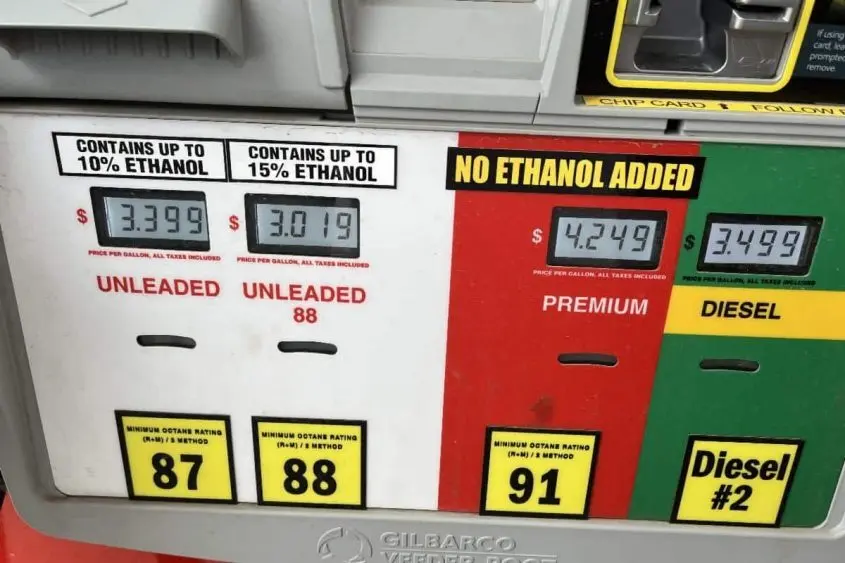
The soybean side of the report was friendlier. USDA tacked another 120 million bushels onto crush, confirming the multi-year highs in soybean oil and the strength of domestic demand. A House vote this week on year-round E15 could add another tailwind on the corn side according to Bennett.
With U.S. beans running roughly $1 over Brazilian offers, Bennett said domestic consumption has become “of utmost importance” for U.S. growers who continue to struggle on the export front. Trade-deal headlines aside — including reports that President Trump may push China for 40 million metric tons of beans annually at this week’s Xi meeting — he warned that “whatever we go to bed knowing tonight, when we wake up in the morning, it might be a totally different story.”
Risk Management: live to play another day
Bennett’s break-even math: cash corn around $4.40, with a 30-under basis as a benchmark in many high-yield areas. At $5.00 December futures, growers can pencil out $4.70 cash — not a grand slam, “but I’ll tell you what, it’s probably an extra-base hit, especially compared to what we’ve seen the last couple, three years.”
His mantra hasn’t changed: “If your first sale is your worst sale and it’s profitable, you’re going to have a pretty good year.” The goal, he said, is locking in worst-case scenarios and living to play another day. Last year offered no such window. This year does.
Cattle: a different kind of risk
The conversation closed on cattle, where Bennett pointed to a different set of pressures. Reports earlier in the week that the Trump administration is weighing relaxed tariff rate quotas to bring in more imported beef sent futures lower again Tuesday — even after Monday’s headlines were partially walked back.
Fundamentally, Bennett said, holding this market down has been “like trying to hold a beach ball underwater.” But the political will to bring consumer beef prices lower is real.
“This administration really wants to see these beef prices back off,” he said. “I think they’re willing to go to some measures and tick a lot of people off in doing so, if they have to.”
For cow-calf operators and feeders carrying high-priced inventory, Bennett urged a hard look at LRP or other floor-setting tools. “There’s no doubt that you’ve got some risk by not doing something.”
Matt Bennett can be reached at AgMarket.net. The risk of trading futures and options can be substantial. View the full episode of Market Talk from Tuesday, May 13th, 2026 below: